

Why Do Premium Quilting Patterns Cost More?
Quick Summary
Premium quilting patterns cost more because the price pays for design work, detailed instructions, and testing that happen before any fabric is cut. You buy the pattern once and reuse it, so the cost covers the planning behind the quilt rather than the materials used to make it.
- Pattern cost is separate from fabric, batting, thread, and notions, which you still buy on their own.
- Designers sketch, test color combinations, and adjust block sizes long before a pattern is released.
- Detailed instructions reduce mistakes, which can save more fabric than a cheap pattern with vague steps.
- Check a pattern's finished dimensions before buying so the quilt fits your intended space.
- Judge a pattern by its clarity, testing, and whether you will actually finish the quilt.
Table of Contents
- What a Premium Quilting Pattern Price Actually Pays For
- Design Work and Creative Development Behind a Pattern
- What a Quilt Pattern Includes and Why Detail Adds Cost
- Pattern Testing, Revisions, and Error Prevention
- Quilt Pattern Sizes and Multiple Size Options
- Paid vs. Free Quilt Patterns: Comparing Value
- Digital vs. Printed Pattern Pricing and How to Judge Value Before You Buy
- Frequently Asked Questions
Why Do Premium Quilting Patterns Cost More?
Last Updated: November 7, 2026
What a Premium Quilting Pattern Price Actually Pays For
Most quilting cost articles talk about fabric, batting, and finished quilts. That is a different budget line. A set of premium quilting patterns is a set of instructions you buy once and reuse, so its price pays for the work that happens before any fabric is cut. Breaking that work into line items is the clearest way to see why a premium pattern costs more than a free download.
Here is a general breakdown of what goes into a quilt pattern's price:
Pattern cost is not the same as fabric cost. You still buy fabric, batting, thread, and notions separately.
A useful way to judge value is to compare what two patterns for the same project actually include before deciding whether the price is high.
Design Work and Creative Development Behind a Pattern
A good quilt pattern starts as an idea, and that idea often lives in sketches for weeks. Readers curious about how patterns are created can follow a guide to sourcing unique crafting patterns that walks through the process step by step. Designers test color combinations, adjust block sizes, and decide how the finished quilt will feel in a room. That creative time is usually the least visible part of the work, yet it shapes everything a quilter sees.
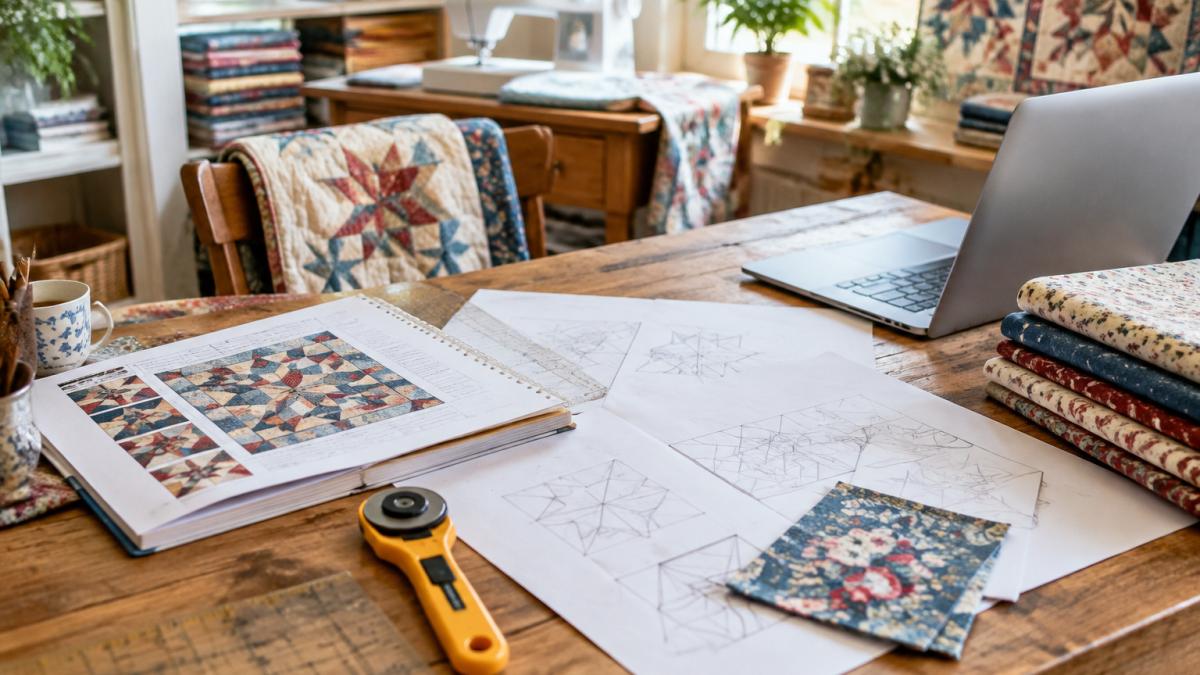
Ask yourself whether a pattern's layout gives you something you cannot easily find elsewhere before you judge its cost.
What a Quilt Pattern Includes and Why Detail Adds Cost
Detail matters most when your skill level is still growing. Clear instructions reduce mistakes, and fewer mistakes mean less wasted fabric. If you are unsure whether paper piecing patterns suit your current skill level, this article explains who they work best for. Watch out: a cheap pattern with vague instructions can cost you more in ruined blocks than a detailed one ever would.
Pattern Testing, Revisions, and Error Prevention
Testing is a step many buyers never see, and knowing how it is typically done can help you judge whether a pattern was tested.
Quilt Pattern Sizes and Multiple Size Options
Always check a pattern's finished dimensions before you buy, so the quilt fits your space. To work out how much high-quality quilting cotton to buy for the size you choose, review the top fabric picks.
Paid vs. Free Quilt Patterns: Comparing Value
Free patterns can be excellent, and many quilters use them for practice and small projects. If you are weighing which fabric is worth the investment for a modern quilt, see modern quilting cotton options. The right choice depends on your experience and the project's importance to you.
Here is a simple way to compare them:
| Factor | Free Pattern | Premium Pattern |
|---|---|---|
| Cost | No pattern fee | Paid download or print |
| Instructions | Varies widely | Usually detailed |
| Testing | Often limited | Commonly tested |
| Support | Limited | Often includes help |
Ask whether the design matters enough to justify the cost. For a gift quilt or a complex project, a tested premium pattern often delivers better results. For a simple practice piece, a free pattern may be all you need.
Digital vs. Printed Pattern Pricing and How to Judge Value Before You Buy
Digital and printed patterns each suit different ways of working, so choose the format that fits how you sew.
Before you buy, check a few details. Look at the designer's reputation, read reviews from other quilters, and confirm that the instructions match your skill level. Pricing depends on the design, format, and included extras, so check current prices on the pattern's listing or contact Things Fabric for a quote.
Value comes down to what you will actually make. A premium pattern that you finish and love is worth more than a cheap one that sits unused. Judge the pattern by its clarity, its testing, and whether it helps you complete the quilt you want.
Frequently Asked Questions
Are paid quilt patterns better than free patterns?
Not automatically. Some paid patterns include more complete instructions and cutting diagrams, while many free patterns are simple and reliable. Compare what each one includes: clear steps, accurate yardage, diagrams, and whether the designer tested it. A free pattern with thorough instructions can be a better value than a paid one with thin directions. Judge the content, not the price tag alone.
How can I tell whether a quilt pattern has been tested?
Look for a statement in the pattern or product listing about how it was tested, and check whether the designer mentions revisions. Clearly labeled sizes and consistent measurements are good signs. Reviews and project photos from other makers can also show whether the instructions worked for them. If a pattern gives no sign of testing, plan extra time to double-check measurements before cutting.
Do premium quilt patterns include multiple sizes?
Many premium patterns offer several finished sizes, such as baby, throw, twin, queen, and king, along with yardage and cutting charts for each. Check the listing or pattern description to confirm which sizes are included before you buy, since some patterns cover only one size or a few options.
What should a good quilt pattern include?
A good quilt pattern lists the finished size, a materials list with fabric yardage, cutting instructions, piecing steps, and a layout diagram. Clear illustrations, block measurements, and assembly order help you avoid mistakes. Quilting suggestions and binding instructions are also useful. Pricing depends on the pattern and format, so check the current listing or contact Things Fabric for details.
