

How to Source Unique Crafting Patterns: A Step-by-Step Guide
Last Updated: October 23, 2026
Quick Summary
To source unique crafting patterns, start by joining maker communities like Facebook groups and Reddit to get peer recommendations, then explore independent designers on Etsy and their websites who offer original niche designs for $6 to $15 per pattern. You can also search vintage pattern archives, use pattern generators to create custom designs from photos, or design your own using digital tools or graph paper.
- Join at least two maker communities in your craft niche and observe which designers get recommended repeatedly
- Independent designers often publish new patterns monthly or seasonally, so follow them on social media or sign up for newsletters
- Always read the license agreement before buying to understand if patterns are personal use only or allow commercial use
- Vintage patterns published before 1928 are in the public domain and can be used freely in the United States
- Evaluate pattern quality by checking instruction clarity, accuracy, completeness, skill level match, and customer reviews before purchasing
Table of Contents
- How to Source Unique Crafting Patterns: Start Your Search
- Browse Social Media Groups and Maker Communities
- Finding Unique Quilting Patterns Through Independent Pattern Designers
- Search Online Marketplaces and Pattern Generators
- Craft Pattern Copyright and Licensing: Know Before You Buy
- Source Vintage and Discontinued Patterns
- How to Design Your Own Fabric Pattern
- Evaluate Pattern Quality Before Buying or Downloading
- Frequently Asked Questions
How to Source Unique Crafting Patterns: Start Your Search
Finding and learning how to source unique crafting patterns requires knowing where to look and what questions to ask. Whether you're searching for quilting patterns, cross-stitch designs, crochet templates, or carving stencils, the process starts with understanding your options.

The challenge isn't finding patterns, it's finding the RIGHT patterns. Too many crafters settle for mass-produced designs when one of a kind templates exist. The difference comes down to where you search and how you evaluate what you find.
This guide covers a repeatable search workflow across free sources, paid options, secondhand finds, and digital tools. You'll learn to verify a pattern is legal to use, evaluate quality before buying, and even design your own.
Browse Social Media Groups and Maker Communities
The fastest way to discover unique patterns is through communities where makers share their work. Facebook groups, forums, and craft-specific social platforms are goldmines for inspiration and direct recommendations.
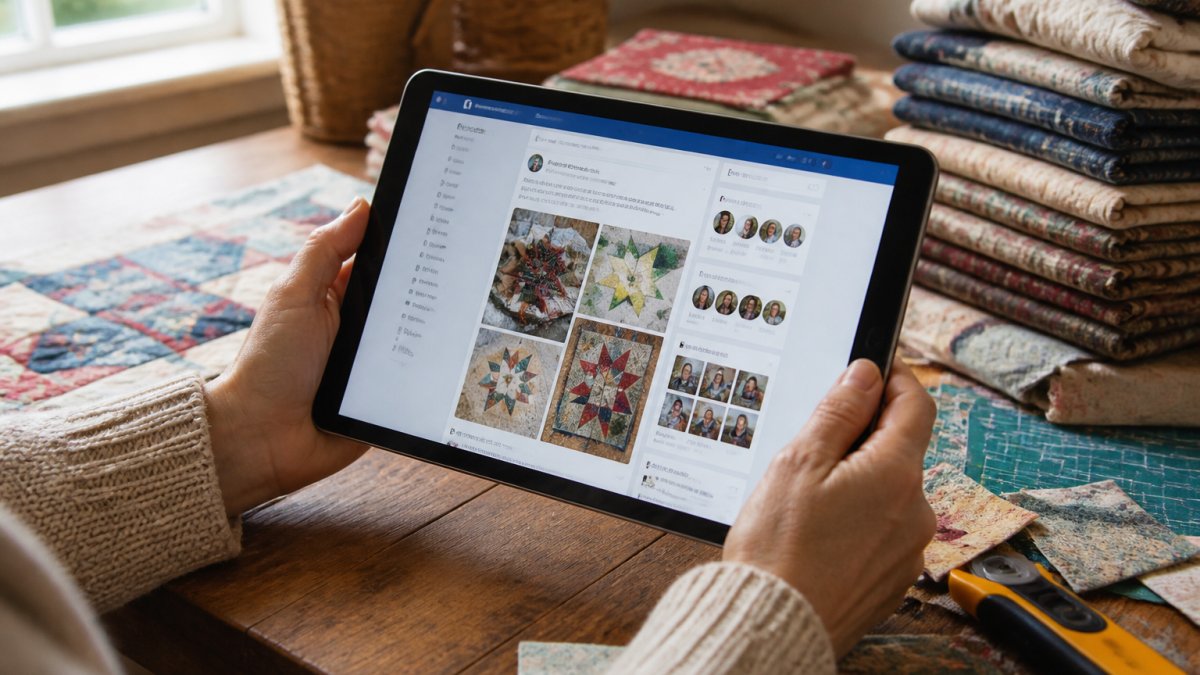
Search Facebook for groups tied to your craft, "quilting patterns," "crochet community," "cross-stitch swaps," or your niche. Scroll past posts and pinned resources to see what members share, then ask directly: "Where do you source unique patterns?"
Check Reddit communities like r/quilting, r/crochet, and r/crossstitch for recommendations and links to independent designers. Members often share their own designs, so you're getting truly original work.
Community swaps are another goldmine. Round robins and pattern exchanges happen regularly, contribute a pattern, then receive unique designs from other members that you won't find anywhere else.
Finding Unique Quilting Patterns Through Independent Pattern Designers
Independent quilting pattern designers create work you won't find in mainstream shops, often specializing in niche styles, modern quilts, heirloom patterns, or specific cultural designs.
Search for "independent quilting pattern designers" plus your preferred style. Many sell directly through Etsy, their own websites, or small pattern shops, with patterns costing $6 to $15 and higher quality because they're invested in their reputation.
Look for designers whose work appears frequently in quilting blogs and social media, then click through to their full catalog. Many offer free sample patterns so you can test their style before purchasing.
Check the designer's background. Look for patterns with detailed instructions, clear diagrams, and a skill level assessment, a designer with years of teaching experience will include better guidance.
Search Online Marketplaces and Pattern Generators
Online marketplaces like Etsy host thousands of pattern sellers. The advantage is variety, filter by craft type, skill level, price, and style. The challenge is volume: sorting through thousands of listings takes time.
Use specific search terms, "modern quilting patterns" or "foundation paper piecing patterns" rather than "quilting patterns." Read reviews for sellers with consistent five-star ratings and comments on pattern clarity, accurate sizing, and customer service.
Pattern generators and digital tools let you create custom patterns to your specifications. Image-to-pattern converters turn an uploaded photo into a cross-stitch or quilting pattern, truly unique because you're designing them yourself.
Use pattern generators when you have a specific image in mind. Upload a photo, adjust stitch count or grid size, and the tool converts it into a printable pattern. Start with a high-contrast photo for best results.
Budget $8 to $15 per unique pattern from independent designers.
Craft Pattern Copyright and Licensing: Know Before You Buy
Before you buy or download any pattern, understand the usage rights. A pattern might be personal use only, allow you to sell finished items, or prohibit commercial use entirely, a costly mistake for many crafters.
Read the license agreement before purchasing. Look for these key terms:
Vogue Accessories 7531 Vintage Bags Sewing Pattern →
- Personal use only: You can make items for yourself or as gifts, but cannot sell finished products
- Commercial use allowed: You can sell finished items made from this pattern
- Derivative works permitted: You can modify the pattern or use it as a base for your own designs
- Redistribution prohibited: You cannot share the pattern file with others or post it online
The distinction matters if you plan to sell your work. A personal-use-only license means you cannot legally sell finished pieces made from it, and violating it exposes you to copyright claims.
When sourcing vintage or discontinued patterns, verify the copyright status. Patterns published before 1928 are in the public domain in the United States and can be used freely. For patterns published after that date, assume they're still under copyright unless the license explicitly states otherwise.
Source Vintage and Discontinued Patterns
Vintage and discontinued patterns have charm that modern designs often lack. These patterns reflect the aesthetics and techniques of their era. Finding them requires patience and knowing where to search.
Estate sales and antique shops sometimes stock vintage pattern collections. Call ahead to ask if they have quilting, sewing, or craft patterns in stock.
Online marketplaces like eBay and Etsy sell vintage patterns. Search for "vintage quilting patterns" or "vintage sewing patterns" plus your preferred era. Prices vary widely based on rarity and condition.

Digital archives and quilting blogs often republish vintage patterns for free. The Smithsonian's collections database includes historical textile patterns and designs. Quilting history websites maintain digital libraries of classic patterns.
When buying vintage patterns, check the condition. Original patterns from decades ago might have missing pieces, faded instructions, or incomplete pattern pieces. Ask sellers for detailed photos before purchasing.
How to Design Your Own Fabric Pattern
If you can't find the pattern you want, design it yourself. This approach gives you complete control over the final design and guarantees uniqueness. You don't need advanced design skills, basic tools and a clear idea are enough to start.
Begin with paper and pencil. Sketch your design at actual size or on graph paper if you're designing a repeating pattern. This helps you work out proportions and spacing before moving to digital tools. For quilting patterns, use a quilting ruler and rotary cutter to test your design at full scale.
Digital design tools make the process easier. Free software like Canva lets you create patterns using templates and design elements. Paid tools like Adobe Illustrator offer more control but require a steeper learning curve. For quilters, specialized software like EQ (Electric Quilt) lets you design patterns using traditional quilt blocks and fabrics.
Evaluate Pattern Quality Before Buying or Downloading
Not all patterns are created equal. A poorly written pattern wastes your time and materials. Before spending money or downloading a file, evaluate the pattern's quality.
Check these elements:
- Instructions clarity: Can you understand the steps without guessing? Look for patterns with detailed photos or diagrams
- Accuracy: Do the finished dimensions match what the pattern promises? Read reviews from people who've already made it
- Completeness: Does the pattern include all the pieces you need, or are you missing parts? Check the file preview or product photos
- Skill level match: Is the pattern appropriate for your experience level? A pattern rated "advanced" shouldn't require techniques you haven't learned yet
- Fabric and materials list: Does it specify quantities clearly? Vague measurements like "some thread" or "assorted scraps" are red flags
- Support: Can you contact the designer with questions? Patterns from established designers usually include email support or FAQ sections
Read customer reviews before purchasing. Look for comments about pattern accuracy, instruction quality, and whether the finished piece matched expectations. One-star reviews often mention specific problems like missing pieces or confusing steps.
Finding unique craft patterns becomes easier once you know where to look and what to evaluate. Start with maker communities and independent designers, these sources consistently yield patterns with personality and quality.
Things Fabric curates a selection of quilting patterns and craft templates that bring the warmth of handmade creativity into your projects. Browse our collection online or visit us to find patterns that inspire your next project. Shop All Products and discover patterns that feel uniquely yours.
| Source Type | Best For | Cost Range | Unique Factor |
|---|---|---|---|
| Independent designers | Niche styles and modern aesthetics | $6-$15 per pattern | Original designs from individual creators |
| Maker communities | Peer recommendations and swaps | Free to $10 | Designs shared directly by makers |
| Vintage patterns | Historical aesthetics and classic styles | $3-$30 per pattern | Authentic period designs with character |
| Pattern generators | Custom designs from your photos | Free to $20 | Completely personalized patterns you create |
| Online marketplaces | Wide variety and quick access | $2-$25 per pattern | Thousands of options in one place |
Frequently Asked Questions
Where can I find unique crafting patterns that aren't mass-produced?
Start with independent pattern designers on Etsy, Ravelry, and craft-specific Facebook groups where makers share original work. Estate sales and secondhand sources like eBay often stock vintage patterns no longer in print. Pattern generators and digital tools let you create custom designs from photos. Community swaps through quilting circles and round robins connect you with makers trading handmade patterns. Each source offers different discovery methods, social media groups emphasize community recommendations, while online marketplaces let you filter by niche crafts like cross-stitch or bead work.
How do I know if a pattern is legal to use for selling finished items?
Check the pattern's usage rights before purchasing or downloading. Most commercial patterns allow personal use only; selling items made from them requires explicit commercial licensing. Independent pattern designers often state their terms clearly in product descriptions or licensing files. If unclear, contact the designer directly, they can clarify whether you need a commercial license and what that costs. Always screenshot or save the license terms with your pattern files. Using a pattern commercially without permission violates copyright law and can result in takedown notices or legal action.
What should I check before buying a sewing or quilting pattern?
Verify the skill level matches your experience, beginner patterns need fewer techniques, while advanced patterns demand precision and knowledge. Read reviews from other crafters about clarity and accuracy; poor instructions waste time and materials. Check what materials and tools the pattern requires and whether you own them. Look at the finished size to ensure it fits your project goals. For vintage patterns, confirm all pages are included and legible. Consider the pattern's age and whether techniques or terminology are outdated. A $9-$10 pattern from Things Fabric like the Vogue Accessories 7531 Vintage Bags or Butterick 3420 Handbag pattern should include complete instructions and clear illustrations before you commit.
Can I use a pattern I found online to make items to sell?
Only if the pattern explicitly permits commercial use. Most free and paid patterns restrict use to personal projects. If you want to sell finished items, you need a commercial license from the pattern creator. Some designers offer separate commercial licenses at a higher price, while others prohibit commercial use entirely. Always read the terms of service or license agreement included with the pattern. Selling items made from a personal-use-only pattern violates copyright and can lead to your shop being shut down or legal consequences. When in doubt, ask the designer for permission in writing.
