

Why Thread Count Matters for Quilts
Table of Contents
- What Thread Count Means and How It's Measured
- Thread Count Versus Fiber Quality in Quilting Fabric
- How Weave Affects Fabric Feel, Durability, and Quilting
- Quilting Cotton Thread Count: Finding the Right Range
- Quilting Cotton vs Sheets: Why Bed Sheets Fall Short
- How to Choose Quilting Fabric Based on Thread Count and Weave
- Thread Count's Impact on Quilt Construction and Results
- Frequently Asked Questions
Last Updated: October 7, 2026
What Thread Count Means and How It's Measured
Thread count is the number of threads woven into one square inch of fabric. It's measured by counting the vertical threads (warp) and horizontal threads (weft) in that single square inch, then adding them together.
Understanding why thread count matters for quilts starts here: this measurement tells you something real about fabric density. A higher thread count means more threads packed into the same space. More threads generally mean a tighter weave and a smoother surface.
When you're shopping for quilting cotton, you'll see thread counts ranging from 150 to 400 or higher, and knowing why thread count matters for quilts helps you navigate that range. Most quality quilting cottons fall between 200 and 300 threads per inch.
The way manufacturers count thread count varies. Some use multi-ply threads (thicker threads made by twisting thinner ones together) and count each ply separately, inflating the number. Others count single threads honestly. This is why you'll see some sheets claiming 1,200 thread count while quality quilting cotton sits at 250.
Thread Count Versus Fiber Quality in Quilting Fabric
Thread count and fiber quality are two separate things, and confusing them is one of the biggest mistakes quilters make.
Fiber quality refers to the length, strength, and consistency of the cotton fibers themselves. Long-staple cotton (fibers longer than 1.25 inches) produces stronger, softer fabric than short-staple cotton.
Here's the practical difference: a 200 thread count quilting cotton made from quality long-staple fibers will last through dozens of washes and years of use. A 400 thread count bed sheet made from lower-quality fibers might start pilling after just a few months.
When you're evaluating quilting fabric, check what the manufacturer says about fiber type. Quality quilting cotton producers list their fiber source. They'll tell you if they're using long-staple cotton or standard cotton. This information matters more than hitting a specific thread count number.
At Things Fabric, we focus on sourcing quilting cottons that combine both solid thread count and genuine fiber quality. Our selection includes fabrics designed specifically for quilting, not repurposed bed sheets.
How Weave Affects Fabric Feel, Durability, and Quilting
The weave is the pattern in which threads cross over and under each other. Three basic weaves dominate quilting: plain weave, twill weave, and sateen weave. Most quilting cotton uses a plain weave, where threads alternate over-under in a simple crisscross pattern.
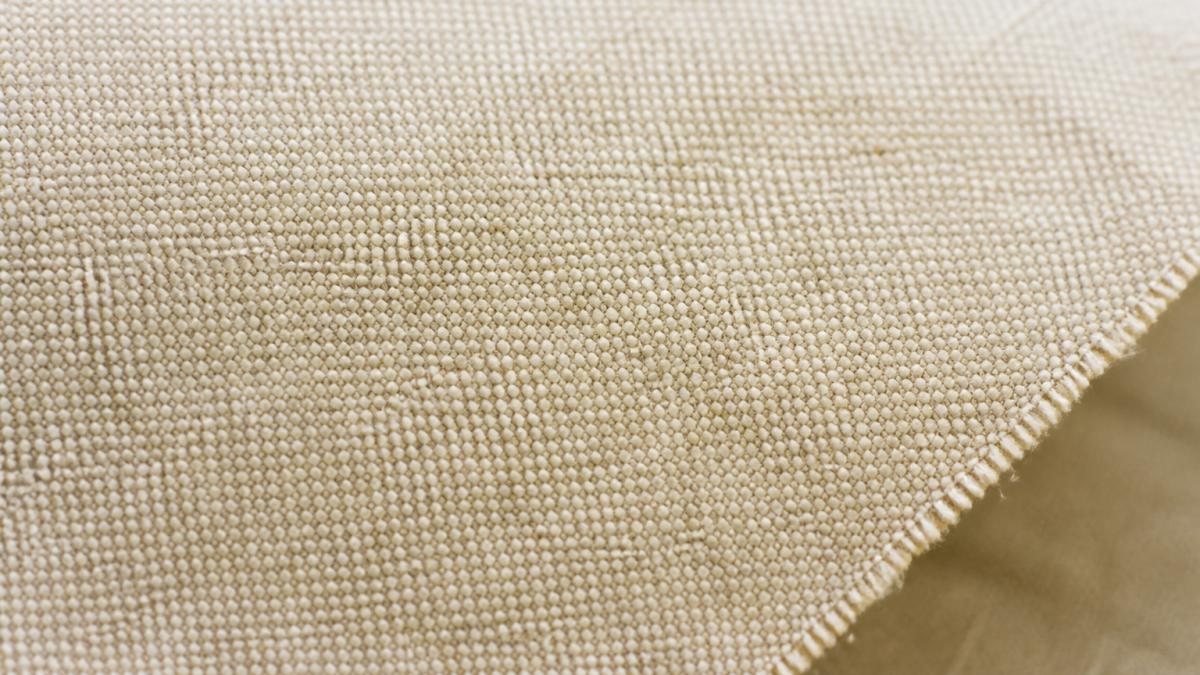
A plain weave with higher thread density creates what quilters call a "tight weave." Tight weave fabrics resist fraying, hold seams better during construction, and produce cleaner final quilts.
Twill weaves (where threads skip over multiple threads before crossing) create diagonal lines and feel softer. Sateen weaves (where threads float over many others) produce a lustrous sheen and drape beautifully, but they're less stable for piecing. For traditional quilting, stick with plain weave.
The weave density affects how your needle penetrates the fabric. A loose weave lets the needle pass through easily but may not hold stitches as securely.
Quilting Cotton Thread Count: Finding the Right Range
Most bedding guides tell you to chase a high number. For quilting, the useful answer is a range tied to the specific part of the quilt you're building. Thread count alone doesn't describe fabric quality, it has to be read alongside weave, weight, and fiber. Here's how to translate the number into a fabric decision.
For quilting purposes, the working range is 200 to 300 threads per inch. Below that, seams can shift; above it, needle penetration and tension become the limiting factor. Within that band, the right pick depends on what you're cutting.
Quilt top (piecing fabric)
- 200-250 threads per inch: The default for patchwork, strip piecing, and large-scale designs. Stable enough to hold a quarter-inch seam, forgiving enough that a standard 80/12 needle passes cleanly.
- 250-300 threads per inch: Better for intricate piecing, foundation paper piecing, and small finished shapes where stitch definition and edge stability matter. Expect to move up to a 90/14 needle and re-check tension.
Quilt backing
Backing takes more abrasion than the top and is often a single wide panel. A slightly lower count in the 180-250 range is common because it drapes over the batting without fighting the needle during the quilting pass.
Binding
Binding is folded, stressed, and handled constantly. A 200-250 count plain-weave cotton with a tight-but-not-dense structure folds crisply and holds a double-fold crease. Very high counts can feel stiff on a bias binding and resist pressing into a clean edge.
By project type
- Baby quilts: Prioritize fiber quality over count. Long-staple cotton at a moderate 200-250 count gives softness plus wash durability.
- Bed quilts washed frequently: 250-300 count on the top, durable backing, and pre-washed fabric to control shrinkage.
- Wall hangings: Lighter weight and lower count are fine because the quilt won't be laundered or stressed.
- Art and show quilts: Higher count (250-300) supports dense free-motion work and crisp stitch definition.
A note on inflated numbers: bed sheets advertising 400, 800, or 1,000+ counts usually reach those figures by counting each ply of a multi-ply thread separately. Converted to single-thread density, many land at or below quality quilting cotton. That's why a 250-count quilting cotton can feel and perform denser than a 600-count sheet.
Quilting Cotton vs Sheets: Why Bed Sheets Fall Short
Many quilters ask whether they can use bed sheets instead of buying quilting cotton. The short answer: you can, but you shouldn't.
Bed sheets are manufactured for a completely different purpose. They're designed for softness, drape, and easy laundering. Quilting cotton is designed for stability, precision piecing, and durability under stress. Here are the practical problems with using sheets:
Fiber inconsistency. Sheets often mix fiber types or use lower-quality cotton to hit a price point. This creates unpredictable shrinkage and uneven wear.
Benartex Autumn Breeze 5" Cotton Fabric Squares - 42 Piece Pack →

Slippery surface. Sheet fabric is often treated with finishes that make it slippery. This causes pieces to shift during piecing, ruining seam accuracy. Your quarter-inch seams won't stay quarter-inch.
Weave instability. Sheets use weaves optimized for comfort, not structural integrity. Seams can separate during quilting or washing.
Inadequate thread count for the task. When sheets claim 1,000+ thread count, that's inflated counting. The actual density is often lower than quality quilting cotton at 200-250 threads per inch.
Dye bleeding and color loss. Sheets are often dyed with processes that don't set color as permanently as quilting fabric dyes. Your quilt may bleed or fade unevenly.
Quality quilting cotton is engineered for what you're asking it to do. The thread count is honest, the fibers are consistent, and the weave is stable.
If budget is a concern, buy less quilting cotton and make a smaller project. Don't compromise on fabric quality by substituting sheets.
How to Choose Quilting Fabric Based on Thread Count and Weave
Choosing the right quilting fabric means evaluating thread count alongside weave, fiber quality, and your specific project.
Start by identifying your project type. A simple nine-patch quilt needs less precision than a complex appliqué or foundation-pieced design. Simple projects work well with 200 thread count.
Next, check the fiber content. Look for 100% cotton or high-percentage cotton blends. Verify whether the manufacturer specifies fiber type (long-staple, Pima, Egyptian, or standard). This information tells you whether the fabric will hold up long-term.
Examine the weave visually if possible. A plain weave should look balanced and uniform. Run your fingers across it. Quality quilting cotton feels smooth and stable, not slippery or flimsy. If you're ordering online, read product descriptions carefully.
Consider the finished quilt's purpose. A wall hanging can use lighter-weight fabric. A bed quilt that will be washed frequently needs durable, high-quality fabric at 250+ thread count.
At Things Fabric, our quilting cotton selection is curated for quilters who care about results. We stock fabrics like the Swirling Winds Chestnut Fabric by the Yard from Benartex, which combines appropriate thread count with genuine fiber quality and beautiful design.

Thread Count's Impact on Quilt Construction and Results
Thread count shows up at every stage, cutting, piecing, quilting, and the finished drape. Here's the practical chain, plus a troubleshooting path for when a dense fabric fights back.
Piecing accuracy. A 200-300 count plain weave holds a pressed seam and resists fraying at the cut edge, so your quarter-inch stays a quarter-inch.
Seam bulk. Dense fabric produces thicker seam allowances. Where several seams meet, a four-patch center, a star point, the bulk can stall the machine or bend the needle.
Quilting ease. On a domestic machine, the fabric's density sets how hard the needle works. A 250-count top over cotton batting quilts smoothly at a moderate stitch length.
Drape and hand. Higher counts generally drape more fluidly and feel smoother; lower counts feel crisper and hold a fold.
Finished durability. Seams in a stable, appropriately dense weave resist opening through washing and use. Very loose weaves can ravel at seams over years; very dense weaves can abrade thread at the needle line.
Troubleshooting dense fabric (300+ count or tightly woven sheets)
- Skipped stitches: Switch to a fresh sharp needle (Microtex or quilting), increase needle size one step, and slow the machine. A dull or wrong-profile needle is the most common cause.
- Broken thread: Reduce upper tension slightly, use a quality 50-weight cotton or 40-weight poly, and check that the thread isn't shredding in the needle eye.
- Needle deflection: Move up to a 90/14 or 100/16 so the needle resists bending at seam intersections.
- Puckering: Shorten stitch length marginally, lower presser-foot pressure, and let the feed dogs move the fabric rather than pulling it.
- Hand-quilting fatigue: Use a between needle sized to the fabric, a thimble, and shorter lengths of thread; dense fabric rewards a rocking stitch over a stab stitch.
How it shows in the finished quilt. Tight weaves hold quilting stitches on the surface, which makes dense free-motion designs and small motifs read clearly. Loose weaves let stitches sink in, softening the design. The batting works with the fabric here: a quality cotton or cotton-poly batting paired with 200-300 count quilting cotton gives a quilt that stitches smoothly, holds its shape, and resists shifting through repeated washing. Choose the fabric and batting as a pair, and the construction stage stops being a fight.

Frequently Asked Questions
What thread count is best for quilting cotton?
Most quilting cotton ranges from 200 to 400 threads per inch, with 250 to 300 being ideal for most projects. Lower counts (200-250) work well for beginners and looser piecing, while higher counts (300-400) offer better stitch definition and durability for intricate designs. The best choice depends on your sewing machine's capabilities and the complexity of your quilt pattern.
Can you use bed sheets as fabric for a quilt?
Bed sheets are not ideal for quilting. While they contain cotton, sheets typically have a higher thread count (400+) and loose weave that makes them difficult to piece accurately. The fabric stretches more easily, skips stitches on domestic sewing machines, and frays unpredictably. Quilting cotton is specifically woven for precision piecing and offers better needle penetration and stitch quality.
Does higher thread count always mean better quilting fabric?
No. While thread count matters, it's only one factor. Fiber quality, weave density, and fabric weight affect durability and feel just as much. Extremely high thread counts can make fabric harder to piece and quilt, requiring needle adjustments and potentially causing skipped stitches. The best quilting fabrics balance thread count with long-staple cotton fiber and an appropriate weave for your skill level.
How does thread count affect how a finished quilt wears over time?
Higher-quality thread count combined with tight weave density creates quilts that resist wear and tear from repeated washing and use. Fabrics with 250-300 threads per inch maintain their color, softness, and shape better than lower counts. Quilts made with appropriate thread count and durable fiber will keep their drape and remain soft to the touch for years, while poorly chosen fabric may pill, fade, or develop thin spots.